

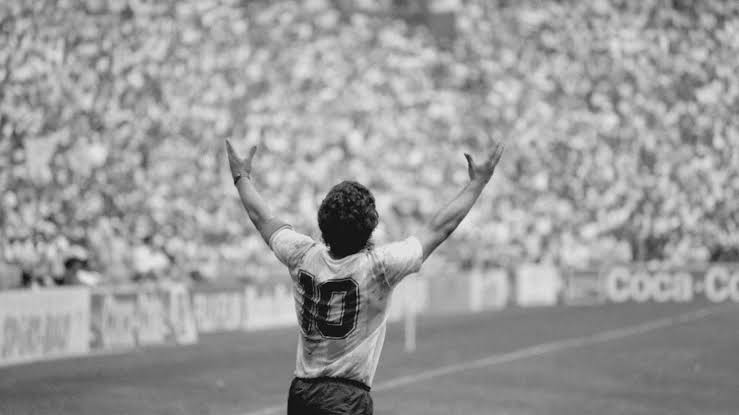
Every generation has their World Cup.
For many football fans who grew up in Britain during the 1980s, that tournament was Mexico 1986.
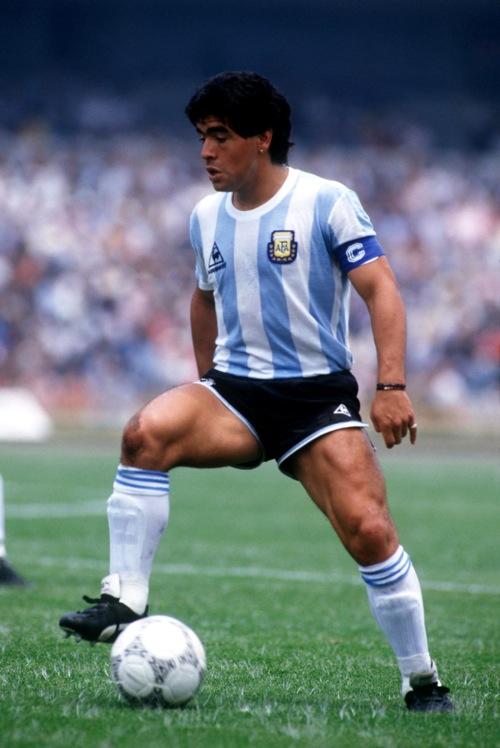
Ask someone who watched it as a child and they’ll probably remember the goals, the orange Adidas Azteca ball, the blazing sunshine, the impossible noise from the crowds and, of course, Diego Maradona producing perhaps the greatest individual performance football has ever seen. But Mexico ’86 wasn’t just memorable because of the football. It arrived at a unique moment in history that can never really be recreated.

Football Was Still Full of Mystery
Today we live in an age of unlimited football.
Every league is televised. Every player has highlight reels on YouTube. Champions League football dominates the calendar, and social media ensures we know what Lionel Messi had for breakfast before kick-off.
In 1986, none of that existed.
For British fans especially, football was remarkably local.
You watched your club every week, perhaps caught the occasional Italian or Spanish match on television, and that was about it. The world’s greatest players existed almost as myths.
Many supporters had never seen Hugo Sánchez play a full match. They’d heard stories about Sócrates, Zico, Francescoli, Elkjær or Emilio Butragueño, but highlights were rare and football magazines were often your only window into the wider game.
The World Cup was where these legends became real.
For four magical weeks, football opened its doors to the world.
It Felt Like Another Planet
Mexico wasn’t just another host nation.
For fans in Europe, it genuinely felt exotic.
The cactus-filled landscapes, colourful stadiums, blazing sunshine and high-altitude venues made everything feel different. Even the matches kicked off at unusual times because of the time difference, adding to the sense that you were watching something special from the other side of the world.
The television pictures had a warmth unlike previous tournaments.
The bright kits looked richer.
The stadiums looked enormous.
The atmosphere felt louder.
Everything about Mexico ’86 had its own identity.
Before Football Became Global Entertainment
It’s easy to forget that in 1986 football wasn’t the polished television product we know today.
There was no Premier League.
No Champions League in its modern format.
No endless panel shows.
No tactical analysis filling every spare minute.
Coverage felt simpler, but somehow bigger.
The BBC and ITV treated the World Cup like a national event. Theme tunes became iconic. Opening titles were memorable. Commentary wasn’t interrupted by endless graphics or statistics.
The football was allowed to breathe.
Because tournaments only came around every four years, every match mattered.
Missing a game meant genuinely missing something.
Heroes Were Born Overnight
One reason Mexico ’86 remains so beloved is because it introduced a generation to players they had barely seen before.
Maradona didn’t simply win the tournament.
He became football’s greatest icon.
Gary Lineker won the Golden Boot and became England’s new hero.
Preben Elkjær’s powerful runs for Denmark captured imaginations.
Igor Belanov’s hat-trick against Belgium became one of World Cup folklore’s forgotten masterpieces.
The Soviet Union dazzled.
Brazil entertained.
Denmark became everyone’s favourite second team.
Every nation seemed to have stars who felt fresh because they weren’t already familiar faces every weekend.

The Goals Still Stand Up Today
Watch the best goals from Mexico ’86 and one thing becomes obvious.
They’re still spectacular.
Long-range strikes.
Sweeping team moves.
Solo dribbles.
Acrobatic finishes.
The pitches were often dry and uneven.
The ball was heavier than today’s versions.
Defenders were allowed to tackle much harder.
Yet the quality remains extraordinary.
Perhaps that’s why so many goals from this tournament still feature in every World Cup compilation nearly forty years later.
It Set the Standard
For children watching in 1986, this became the benchmark. Every tournament afterwards was measured against Mexico. Would Italia ’90 produce another Maradona? Could USA ’94 recreate the colour? Would France ’98 have another unforgettable story? Could Germany 2006 feel as magical? Could Qatar 2022 produce another all-time great final?
Every World Cup since has been compared, consciously or not, with the emotions first created in Mexico. That’s the mark of a truly great tournament. Arguably Italia ’90 was the last great World Cup, with Roger Miller, Gazza, Ciao the mascot and the immortal Pavarotti closing the coverage every night with Nesun Dorma.
A Different Kind of Magic
Modern football is unquestionably better in many ways. The players are fitter, the game is much faster for longer periods because of that and the coverage and broadcasts are stunning. The 2026 world Cup has cameras on the referee so you can see action from on the pitch. It’s unreal.
These days fans can watch almost every match from almost every league, but something has inevitably been lost; the mystery.
In 1986, the World Cup wasn’t simply another football competition., it was your chance to discover the world. For one glorious month every four years, distant countries, unfamiliar players and impossible stories arrived in your living room. You couldn’t Google them, you couldn’t watch endless compilations, you simply experienced them together, and collected the sticker book ti find out something about these countries and players you had never seen before.
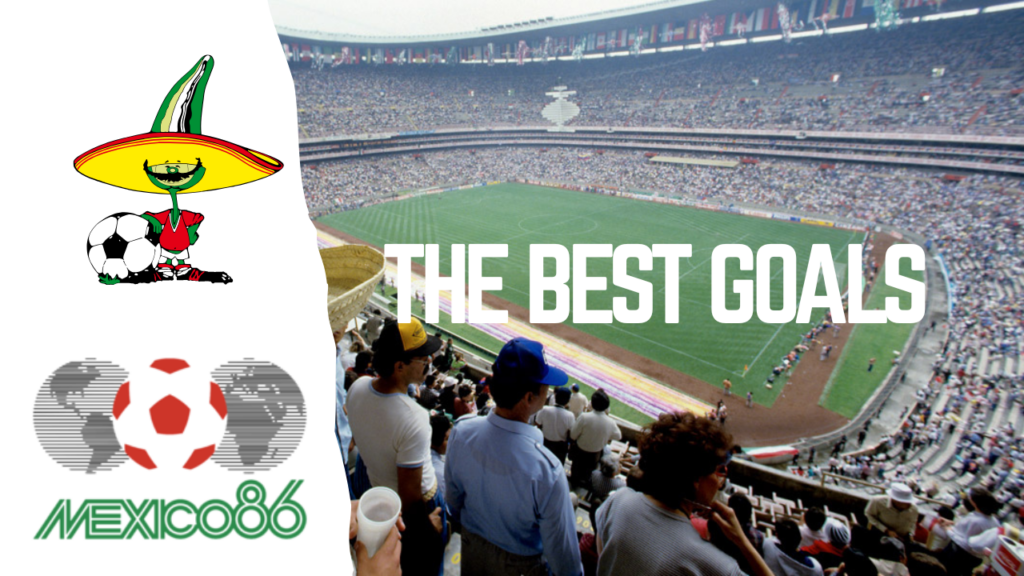
That’s why Mexico ’86 remains so special. It wasn’t just one of the greatest World Cups ever played, for an entire generation, it was the tournament that defined what a World Cup should feel like—and every tournament since has lived in its shadow. Click the video below to watch the best goals from Mexico ’86.
Get your own retro Mexico ’86 World Cup T Shirt
